ICEMAN: From the Crate to the Ice
By Diony C.
•May 15, 2026
•8 min read
They buried the release date in a 25-foot block of Toronto ice. We go back to Room for Improvement and So Far Gone to read what Drake is saying with ICEMAN.
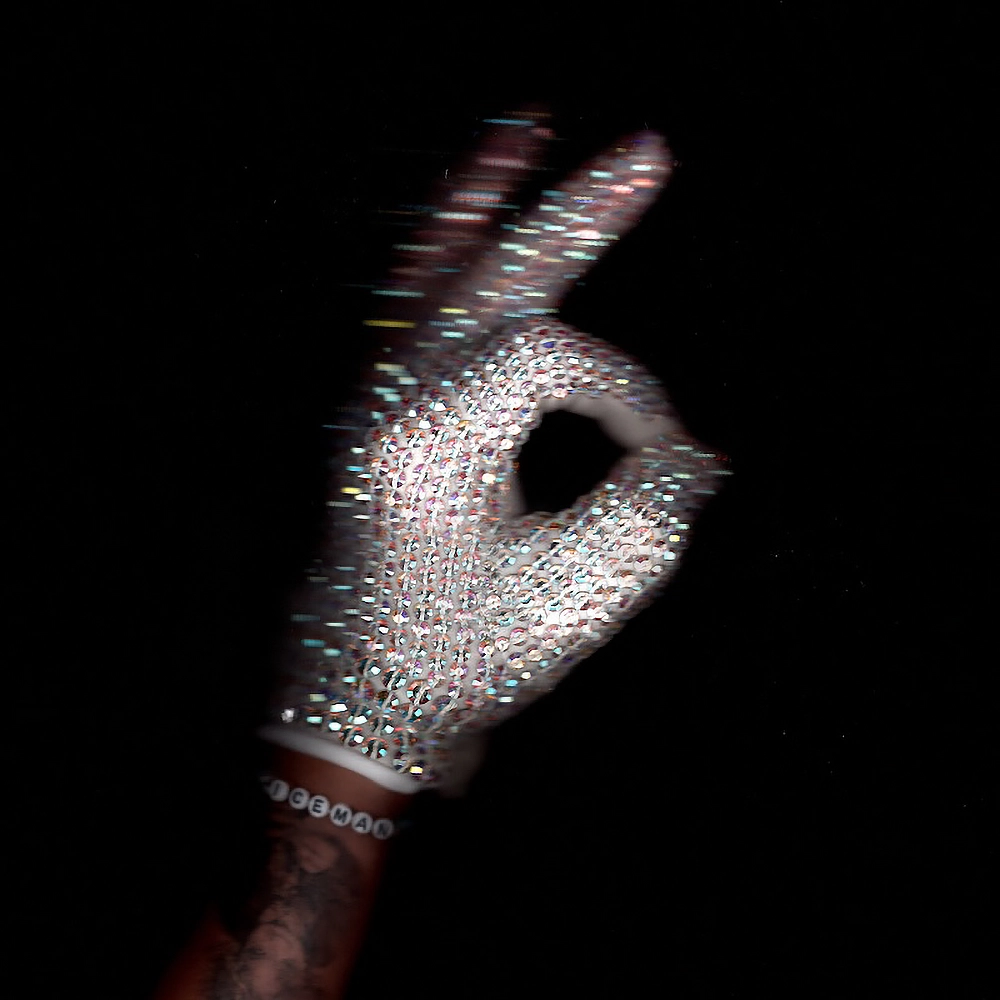
They buried the release date inside a 25-foot block of ice in downtown Toronto. Fans took flammable liquids to the sculpture. The Toronto Fire Department eventually had to step in. A Twitch streamer named Kishka pulled a waterproof bag from the wreckage, went live, and extracted a date: May 15, 2026. Drake handed him a bag of cash. The whole city watched.
That is how you announce a ninth studio album when you are Drake in 2026. Big, theatrical, impossible to ignore. A stunt built for the clip economy, engineered to dominate every timeline simultaneously.
This week, while everyone is waiting on the drop, we are going back to the crate. Back to Toronto, twenty years ago, when a kid from Degrassi could not get a label meeting and had to figure something else out.
That version starts with a mixtape.
Room for Improvement dropped February 14, 2006. Drake was 19 years old. He put it out himself through All Things Fresh, enlisted DJ Smallz of the Southern Smoke series to host it, and moved 6,000 physical copies by the end of that year. The guest list punched well above what an unsigned Canadian rapper had any right to assemble: Trey Songz and Lupe Fiasco. Production from Boi-1da and a young Noah “40” Shebib, who would become the sound of everything that followed.
It was not a perfect tape. Drake knew that too. But it was a foundation. A 19-year-old kid proving he belonged in the same sentence as the names he was getting on his records.
Comeback Season came September 1, 2007. Same format, sharper execution. “Replacement Girl” with Trey Songz became the first video by an unsigned Canadian rapper to air on BET. MySpace named him the most popular unsigned Canadian artist on the platform. Labels started paying attention. One meeting with Universal Motown went so badly that Drake aired it out on his next tape.
That next tape was So Far Gone. Released February 13, 2009 as a free download on his OVO blog, it sparked a full bidding war. “Best I Ever Had” hit number two on the Billboard Hot 100. Lil Wayne signed him to Young Money. The tape that started as a free download became the launch pad for everything. We covered So Far Gone in depth right here. Go read it if you haven’t.
ICEMAN arrives carrying more weight than a standard album drop. After one of the most public, most debated moments in rap history with Kendrick Lamar, Drake is not returning to a quiet field. This is a statement release, and the scale of the rollout makes that clear.
What I want you to sit with is the gap between those mixtapes and what he walked out on stage to become. Between pressing CDs and burying release dates in city blocks of ice. Between DJ Smallz hosting your tape and the Toronto Fire Department getting called to your rollout.
The ICEMAN campaign is one of the most elaborate album rollouts in recent memory: serialized cinematic livestream episodes, frozen Raptors courtside seats, a worldwide tour being teased through hidden clues in concept art. The theatrical scale is its own statement.
You cannot fully read that statement without knowing what came first. Without understanding that the same city Drake turned into an ice sculpture production was the city he was hawking CDs in almost exactly two decades ago, trying to make noise any way he could.
The format has changed. The hustle behind it never did.
I am sitting back with you all right now, just a fan with the speakers up. On ICEMAN, Drake is taking it personal. “Make Them Cry” sets the tone from track one. He reveals his father Dennis Graham is battling cancer. He is not deflecting. He is not performing. He is in it.
Who saw two more coming? At the end of the ICEMAN livestream, Drake pulled out three hard drives. The screen read: “I made this so that I could make this.” Then Habibti and Maid of Honour appeared. Forty-three songs total, all three albums live at midnight, DSP only. No CD, no vinyl announced. The kid who pressed 6,000 copies of Room for Improvement in 2006 to get anyone to listen does not need the physical format anymore. The world stops for him now.
Drake, Future, Molly Santana - Ran To Atlanta
More from Drake
Videos off ICEMAN, Habibti, and Maid of Honour. See everything on Drake’s YouTube channel.