Archive · Drake
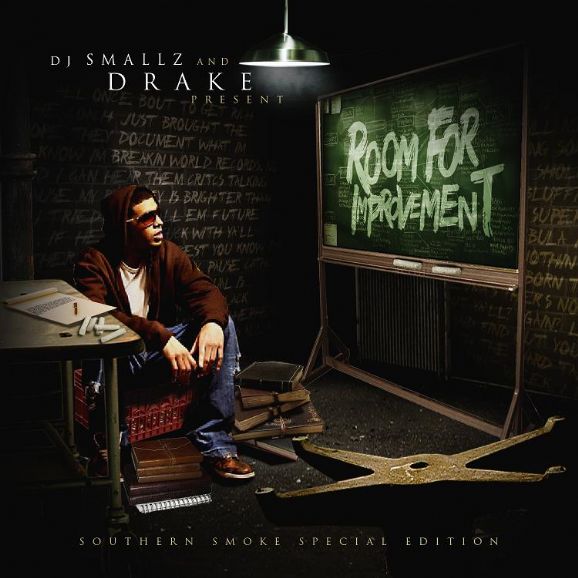
Room for Improvement
By Diony C.
•May 11, 2026
•4 min read
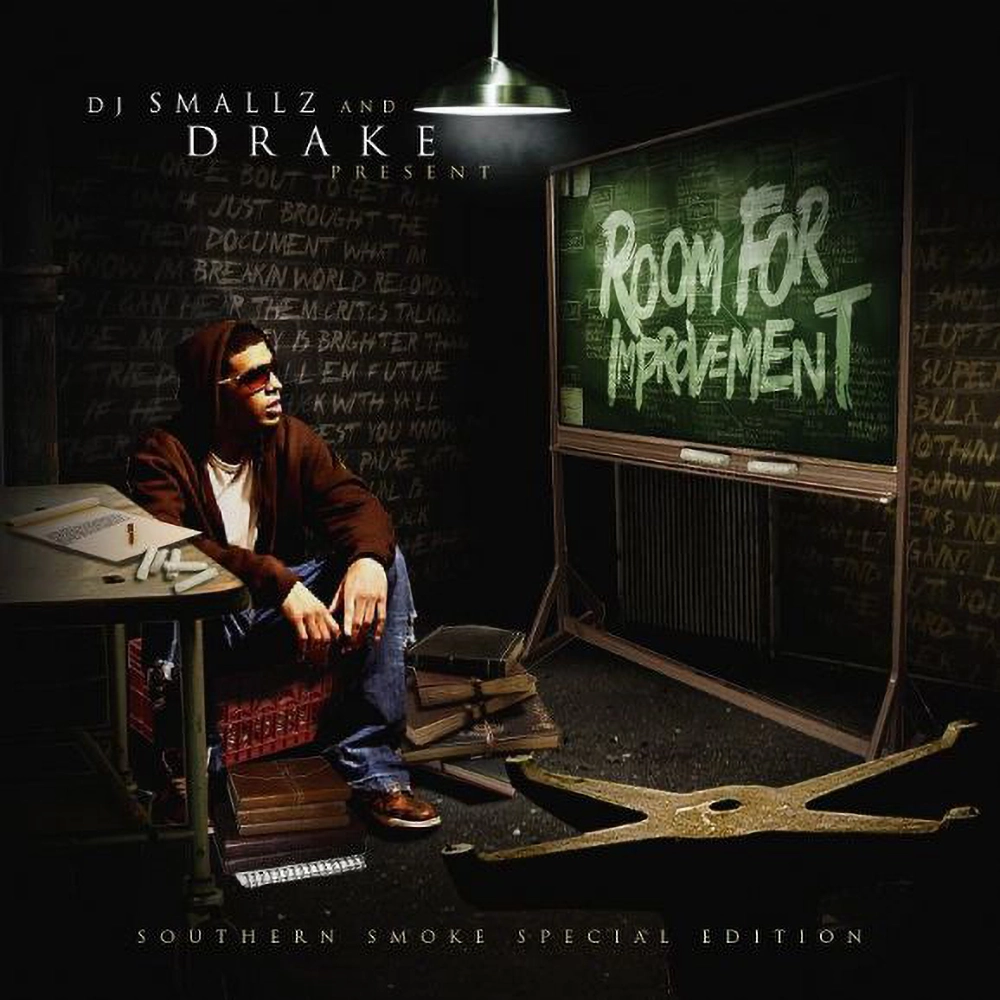
Drake's debut. February 14, 2006. Before Young Money, before So Far Gone. A 19-year-old from Toronto, DJ Smallz, and the tape that started everything.
Last month, Drake shut down downtown Toronto.
A 25-foot ice sculpture installed in the middle of the city, the release date for ICEMAN buried somewhere inside it. Fans showed up with pickaxes and hammers. Someone lit part of it on fire. The Toronto Fire Department had to step in. A streamer named Kishka eventually pulled a waterproof bag out of the block, livestreamed the whole unboxing, and there it was: May 15, 2026. Drake’s team handed him a bag of cash on the spot.
Twenty years of being one of the biggest artists on the planet, and he still found a way to make the room pay attention.
But before the ice sculptures, before the OVO empire, before Young Money, there was a kid from Toronto on Degrassi who needed a DJ to say yes. And the DJ who said yes was DJ Smallz.
Valentine’s Day, 2006
Room for Improvement was self-released on February 14, 2006. Drake was 19 years old. Still on the Degrassi set. No label, no machine, no cosign from anyone who mattered yet. He needed the tape to travel further than Toronto, and to do that he needed a name that meant something in the mixtape circuit.
DJ Smallz ran the Southern Smoke series. He had hosted tapes for Lil Wayne and Young Jeezy, the people who mattered in that moment. Getting DJ Smallz to host your tape sent a signal: this kid is serious enough to get on the phone, make the ask, and back it up with material. Drake made that call.
In his own words from a 2006 interview: “It’s a mix CD and I did it with DJ Smallz, who does the Southern Smoke Series. He’s done mixtapes with everyone. Lil Wayne, Young Jeezy, a lot of people and he’s hosting it for me.”
That is a kid who understood how the format worked. You did not just make a tape. You found the right host. You put the right names on it. You let the DJ carry it into rooms you could not get into yourself.
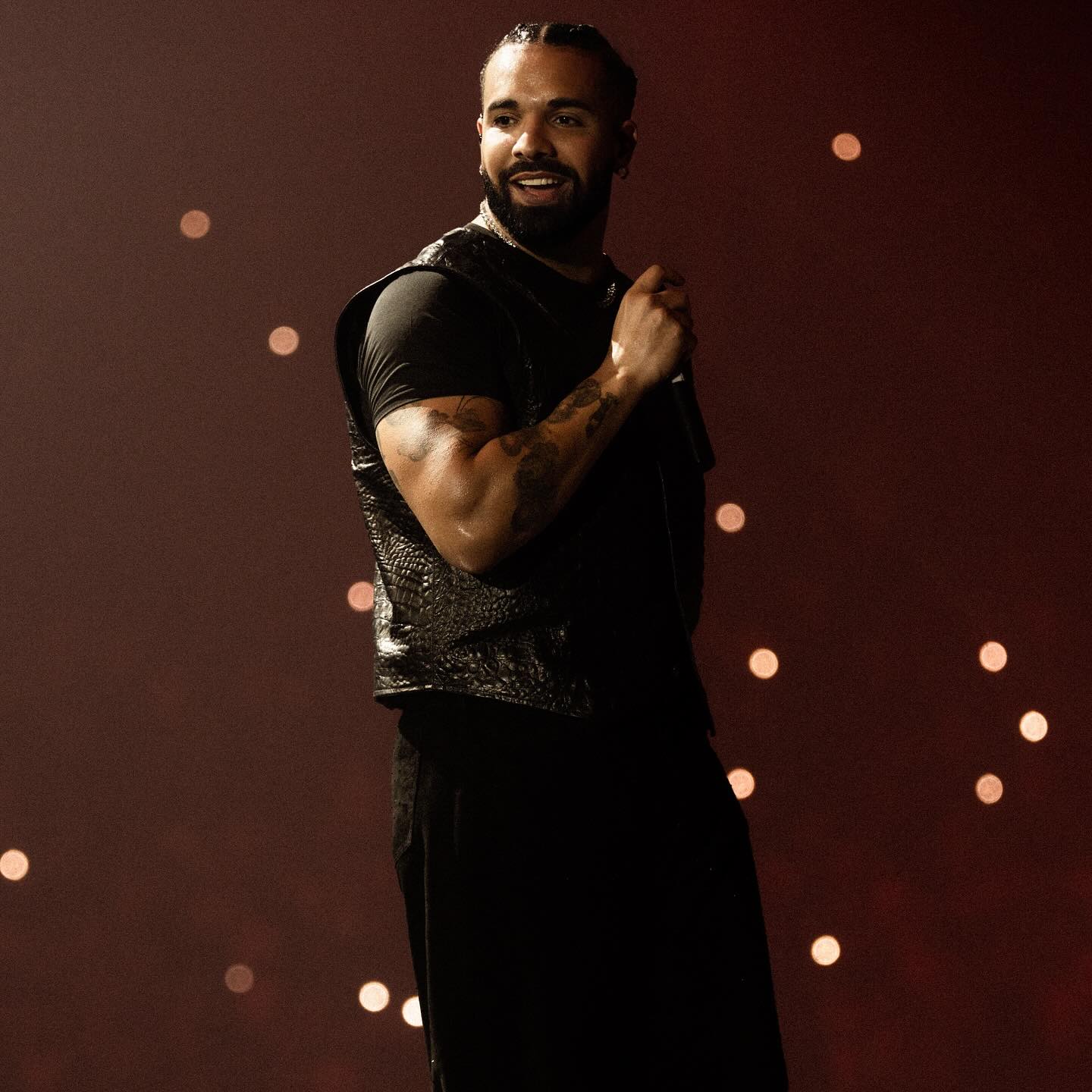
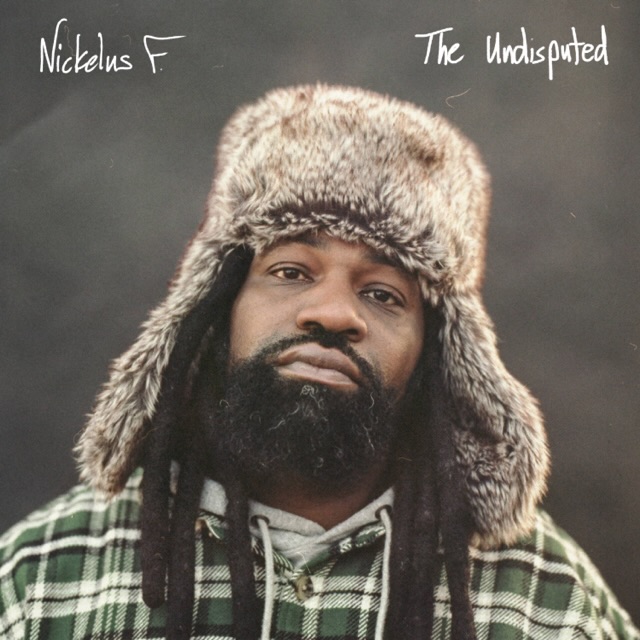
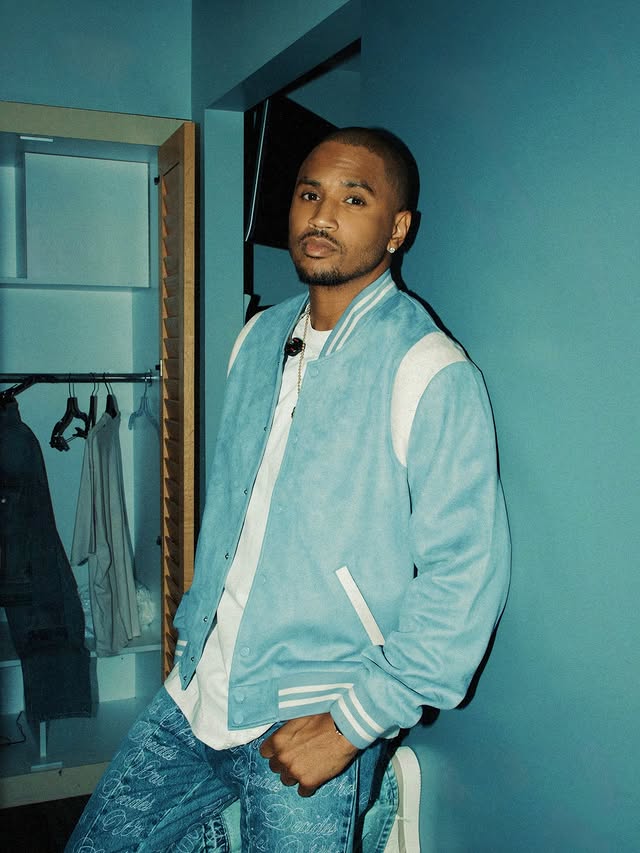
The tape features Trey Songz, Nickelus F, Lupe Fiasco, and Slakah the Beatchild. Boi-1da handled the majority of the production, the beginning of a partnership that would run through So Far Gone and beyond. It was distributed as a free digital download and through CD-R runs at local shows and independent outlets in Toronto, selling approximately 6,000 physical copies by the end of the year.
Six thousand copies. Moved by hand. That is the mixtape hustle in its original form.
What the Tape Actually Sounds Like
Room for Improvement is not polished. That is the point.
The sound draws from conscious rap influences, production reminiscent of 9th Wonder and Little Brother: smooth, laid-back beats underneath Drake’s melodic flows and occasional singing. This is not the Drake that took over the decade. This is the Drake who was still figuring out what Drake sounded like. You can hear him searching. He sounds passionate and hungry. The singing-rapping blend that would eventually become inescapable is there in early form, raw and unresolved. Some of it works. Some of it does not. The title was honest.
But the ambition was real. The subject matter was real. And the instinct to go outside Toronto to find credibility, to call DJ Smallz and make it happen, that told you everything you needed to know about where this was going.
That summer, Drake opened for Ice Cube at a local show and earned $100. The tape was already in circulation. The work was already done. He just had to wait for the room to catch up.
The DJ Smallz Move
Here is the thing that gets lost in the Drake origin story when people tell it. Everybody talks about Lil Wayne hearing the tape and making the call. That is the headline. But DJ Smallz had to say yes first.
The Southern Smoke series was not just a branding exercise. DJ Smallz was moving tapes for the biggest names in the South at a time when the South was running hip-hop. Getting into that ecosystem as an unsigned kid from Toronto with no regional ties to Atlanta, Houston, or anywhere the Southern circuit cared about required either a connection or a pitch compelling enough to make the DJ put his name on it.
Drake had neither. What he had was the tape and the ask. DJ Smallz listened and said yes. That co-sign put Room for Improvement in a different conversation than anything Toronto had been able to generate on its own at that point.
That is what a hosted mixtape does. It borrows credibility until you can build your own.
The Artists
Featured Artists

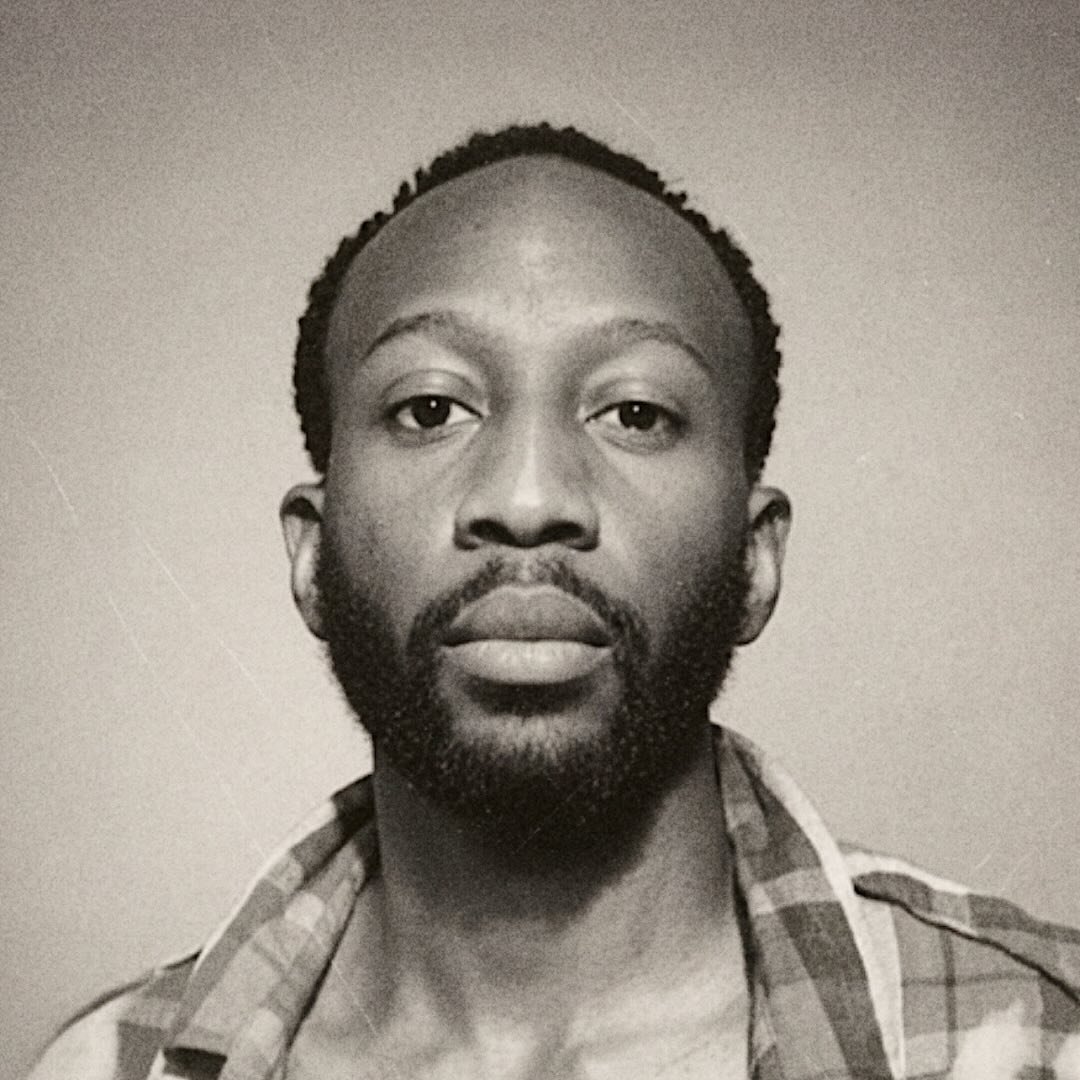
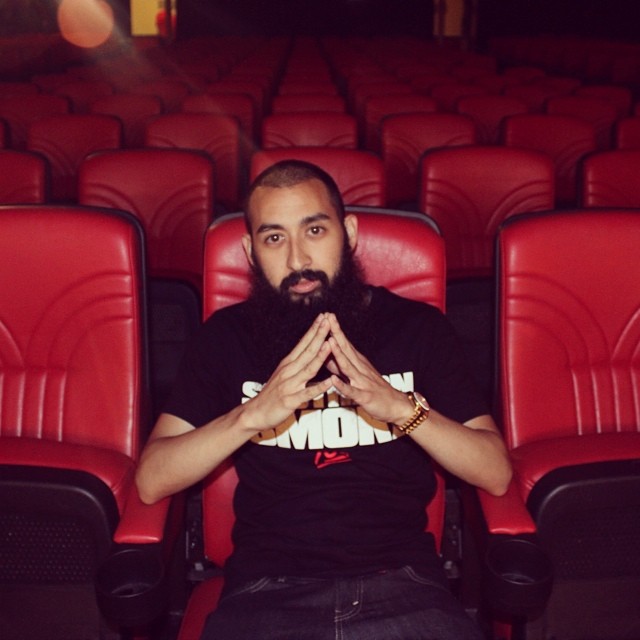
Twenty Years Later
ICEMAN is Drake’s ninth studio album, his first full-length solo release since For All the Dogs in 2023. It drops May 15 via OVO Sound and Republic Records.
The rollout has been anything but traditional. On “What Did I Miss?”, Drake addresses the aftermath of his feud with Kendrick Lamar, calling out those who chose to play both sides rather than support him during the dispute. The ice sculpture. The explosions at Downsview Park. The Raptors game courtside seats covered in faux ice. The streamer finding the date inside a block in the middle of the city.
Twenty years of celebrity and he still led with the mixtape instinct: build the conversation before you drop the product. Make the room curious before you give them anything to listen to.
Drake talks to MTV News in Spring 2009, coming off So Far Gone, the mixtape at the end of the run that Room for Improvement started.
Room for Improvement is where that instinct started. A 19-year-old on a TV set, calling a DJ from Atlanta who hosted tapes for Lil Wayne and Young Jeezy, convincing him that a Canadian kid with a vision was worth putting his name behind.
The DJ said yes.
Everything else is the rest of the story.
More from the Archive
If Room for Improvement is the beginning of the Drake story, Before Iceman: How Drake’s ‘So Far Gone’ Proved Mixtapes Could Change Everything is where the run ended and the career started. So Far Gone dropped in 2009 on his OVO blog. No label, no machine. A million downloads sparked a bidding war that landed him at Young Money. It is the tape that closed the chapter that Room for Improvement opened.
For the other side of the era, Lil Wayne and DJ Drama’s Dedication 2 is the tape that Room for Improvement was reaching toward. Drake called DJ Smallz because Smallz had hosted Wayne. This is the Wayne tape that defined what a hosted mixtape could become when the artist had already arrived. Same era. Different vantage point. Worth hearing both.