Archive
Houston's Griot: How Scarface Made The Diary
By Diony C.
•July 6, 2026
•6 min read
In 1994, Scarface made the album that proved Southern rap could carry the full weight of human experience. The Diary is still one of the most powerful records ever made, now reissued on vinyl as part of Rap-A-Lot's 40th anniversary.
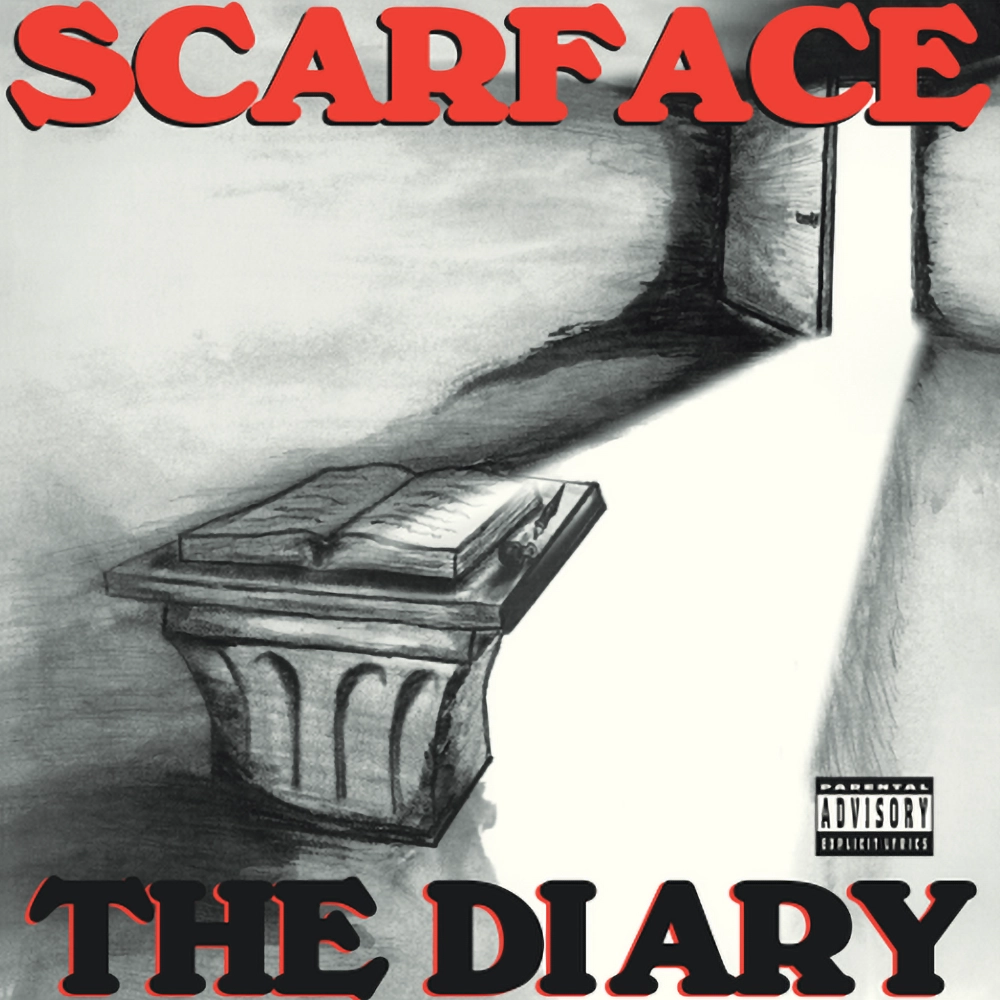
1994 was the year of Illmatic and Ready to Die. Two New York albums that announced a new generation of poets from the East Coast. The conversation around rap that year was mostly about what was happening above the Mason-Dixon line.
A thousand miles away in Houston, Brad Jordan was in the studio making something that would outlast all of it.
The Diary dropped October 18, 1994, on Rap-A-Lot Records. It debuted at number two on the Billboard 200. It went platinum by December. It received a perfect score from both The Source and XXL, one of the few albums in history to achieve that. Dr. Dre reportedly kept a copy in his studio as a reference for how good a rap record could sound.
Thirty years later it still sounds like nothing else.
Rap-A-Lot and the Southern Blueprint
James Prince founded Rap-A-Lot Records in Houston in 1986, inspired by Def Jam’s model of unity and independence. His mission from the beginning was to build something for the South that the major label system had no interest in building for them.
The label’s sound developed through the Geto Boys, whose 1991 album We Can’t Be Stopped put Houston rap on the national map. But it was Scarface, born Brad Jordan in the South Acres neighborhood of Houston, who took the Rap-A-Lot blueprint and pushed it into territory no rap record had explored before.
His first two solo albums, Mr. Scarface Is Back and The World Is Yours, were strong. But they were still largely viewed as supplements to the Geto Boys catalog. The Diary was something different. It was the moment Brad Jordan stopped being a Geto Boys member with solo projects and became one of the defining voices in the history of the music.
A New Sound From the South
The production shift on The Diary was decisive. Scarface and producer N.O. Joe moved away from sampling entirely, building the album on live instrumentation, southern blues, simmering organs, and twanging guitar at a tempo that felt closer to a front porch in the Texas heat than to the boom-bap coming out of New York.
Mike Dean, who would go on to become one of the most important producers in rap history through his work with Kanye West and Travis Scott, was a newcomer when he worked on The Diary. The combination of Dean, N.O. Joe, and Scarface himself in the production seat created a sound that became the Rap-A-Lot trademark. Funky swing with heavy drums. Live feel. Space for the voice to breathe.
Scarface’s voice is what separates The Diary from everything around it. His ragged-edged baritone sounds like it carries the full weight of what he’s describing. When he talks about paranoia, you feel it. When he talks about death, you believe him.
I Seen a Man Die
The album’s most startling moment is its most famous track. Scarface wrote and recorded I Seen a Man Die in a recording session he barely remembered afterward. What came out of that session was one of the most profound meditations on mortality in the history of rap music.
The song follows a man released from a seven-year prison sentence who is pulled back into a life of crime and eventually murdered. In the second and third verses, Scarface narrates from beyond death itself, becoming the voice that guides the man out of this world. The hook, delivered in a haunted near-whisper, carries a weight that does not diminish across repeated listens.
The song is a document of what Southern rap could do when it was allowed to move at its own pace and speak in its own voice. No coast had written anything quite like it.
Hand of the Dead Body, featuring Ice Cube and Devin the Dude, arrived as the counterweight. Where I Seen a Man Die turned inward, Hand of the Dead Body turned outward, launching a blistering defense of rap music against critics who used gangsta rap as a shorthand for cultural decay. Scarface and Ice Cube made the argument with more force than any op-ed could.
Scarface on Drink Champs, telling the Rap-A-Lot story in his own words: the Geto Boys, Def Jam South, and a Houston career built on independence.
The Rap-A-Lot 40th Anniversary
Thirty years after The Diary changed what Southern rap could say about the human experience, Rap-A-Lot Records is celebrating its 40th anniversary with the album’s first major vinyl reissue.
The new pressing includes a previously unreleased track, Ease Up Now, unearthed from the archives. James Prince, speaking on the anniversary, said the label was built on the same principles from day one: independence, ownership, and building something that lasts.
The Diary vinyl reissue arrived June 19, 2026. The CD edition is also available. Both are in the shop now.
This is the right time to own this record. The anniversary pressing is the definitive version of one of the most important albums ever made, with a bonus track that has never been heard publicly until now.
From the Catalog
Both editions of the Rap-A-Lot 40th Anniversary release are in the store.
In the Store
The Diary — 2xLP
40th Anniversary Vinyl · Includes Ease Up Now
The 40th anniversary vinyl pressing of Scarface’s 1994 masterpiece. Includes the previously unreleased track Ease Up Now, unearthed from the Rap-A-Lot archives. The definitive version of The Diary for your collection.
Shop The Diary 2xLPThe Diary — CD
The CD edition of the anniversary release, with the same unreleased bonus track. For the collectors who keep both formats.
Shop The Diary CDSubscribe to the What’s Good newsletter for more from the archive.
Get Early Access