Archive · Dipset
Diplomats Vol. 1 (Special Collector's Edition)
By Diony C.
•April 20, 2026
•7 min read
The tape that started it all. Cam'ron, Juelz Santana, Jim Jones, and Duke Da God built the Diplomats street operation from Harlem in 2002. DJ Kay Slay hosted. mixtapekings.com was there. Now streaming in the archive.
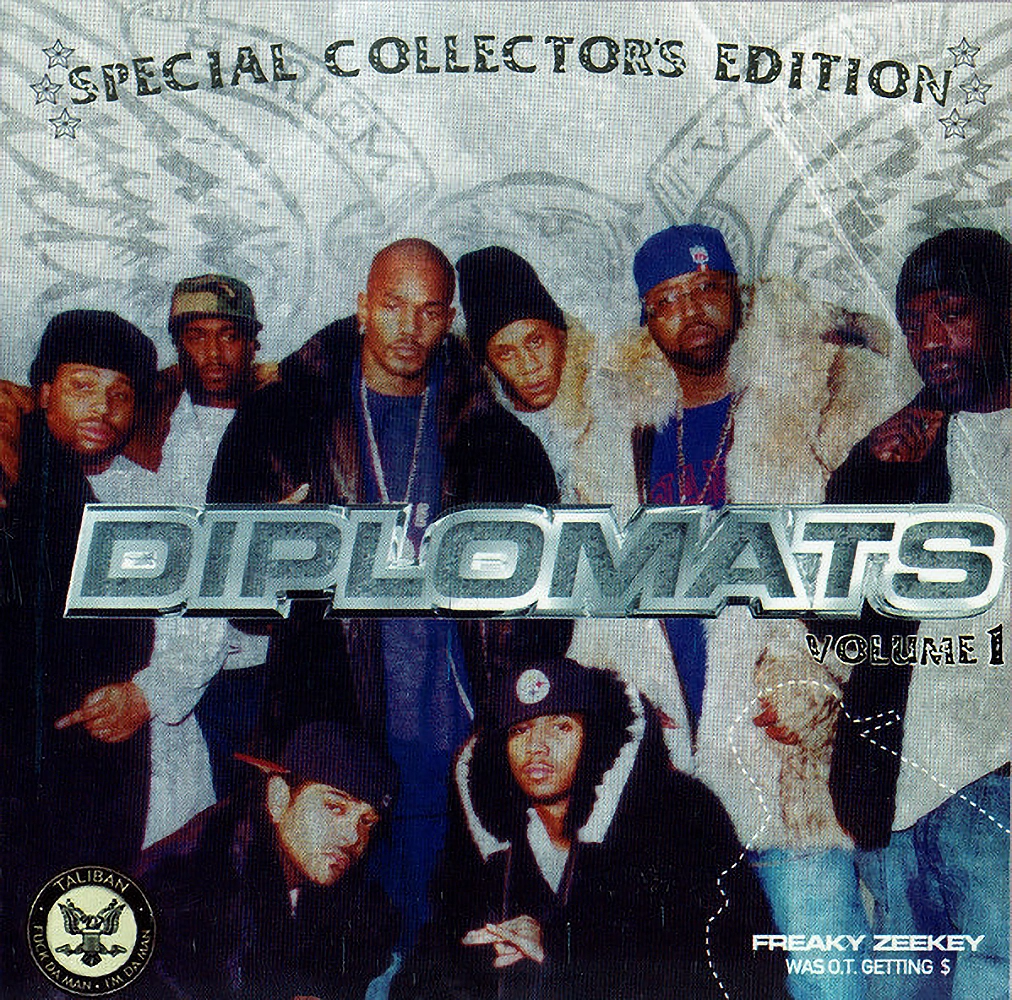
Before Gangsta Grillz. Before G-Unit Radio. Before the hosted mixtape became the standard playbook for every artist trying to build a street audience before a label deal, there was a crew from Harlem putting CDs in people’s hands and expanding hip-hop culture beyond the block.
Cam’ron, Jim Jones, Juelz Santana, and Freekey Zekey built the Diplomats into one of the most influential crews in New York hip-hop history. But the story of how that music reached the streets, and eventually the world, runs through one person most people outside the culture never gave enough credit to: Duke Da God.
mixtapekings.com was part of that story. This is how Dipset ran the streets before the industry knew what hit them.
The Man Behind the Operation
Duke Da God is not just a name in the credits. He is the foundation the entire Diplomats mixtape operation was built on.
He grew up in the same building as Cam’ron in Harlem. That is not a detail, that is the whole story. The trust that made everything work came from decades of shared history before any of them had a record deal or a radio spin. Duke was instrumental in putting together Children of the Corn, the legendary Harlem collective that included a young Cam’ron, Mason Betha, Big L, and Bloodshed. He served as their road manager before most of them had management. He was a Diplomat from day one, not because of what he could do for the brand but because he was part of the family before there was a brand.
When Cam’ron landed at Roc-A-Fella and the Diplomats started moving as a unit, Duke became the A&R director and the architect of the Purple City mixtape venture. His job was not just to curate what went on the tapes. His job was to make sure those tapes got to the people. And he did it at a scale that turned heads.
The operation was lean by design. Diplomat Records owned their own studio. Production was largely in-house. Distribution was street level, no retail middleman, no label approval required. Duke explained the philosophy plainly at the time: they moved thousands and thousands of tapes on the streets. That volume was the proof of concept that eventually convinced KOCH Records to work out a deal for the More Than Music album in 2004. The streets validated the brand before the industry had any say in it.
Where mixtapekings.com Came In
mixtapekings.com launched in 2002 with a simple mission: your first mixtape source. Not a blog, not a forum. A distribution platform built to connect fans directly to the tapes from their favorite DJs, at a time when your options were a street vendor, a bootleg, or knowing somebody.
The platform served two sides of the same culture simultaneously. For fans it meant direct access to official tapes from the DJs they followed, without the middleman and without the bootleg. For DJs it meant something equally important: an online presence for their work at a moment when that infrastructure did not exist. The mixtape format had a reach problem. The music was moving in the streets but it was not moving on the internet. mixtapekings.com was built to solve that, helping DJs expand their audience beyond the block, beyond the borough, beyond whatever city they were working in.
By April 2003 the full Diplomats series through Vol. 4 was in the catalog. Vol. 1 Special Collector’s Edition, Vol. 2, Vol. 3, Vol. 4 hosted by DJ Kay Slay, all available to order. That was not an accident. Duke trusted mixtapekings.com as an official outlet for the series. The tapes came directly from him. That is the difference between a platform with real access and everything else that was out there at the time.
A kid in Atlanta could find these tapes. A fan in Chicago, London, or anywhere else with an internet connection could find them. And DJ Kay Slay, Duke Da God, and every DJ in the catalog got their work in front of people who never would have found it on a street corner in New York. That was the whole point.
The Artists
Featured Artists
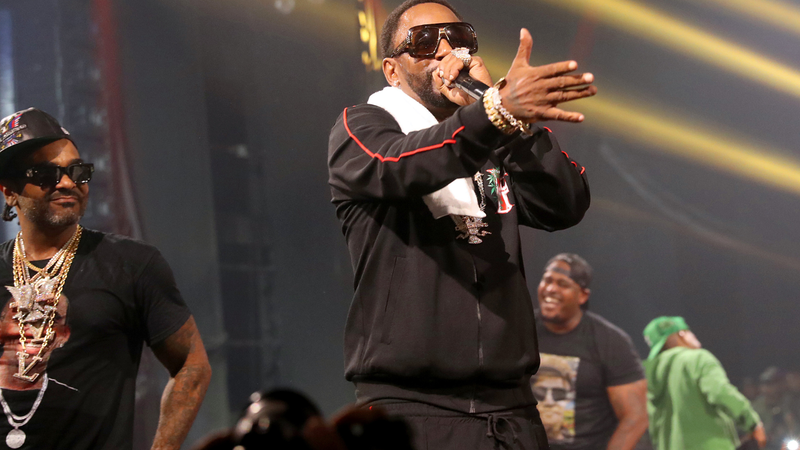
Cam’ron
Oh Boy, Ambitions Az A Killa, Just Fire, Dial M 4 Murder, Come Home With Me, Rocafella Get Money, Maria Maria, Stan Remix
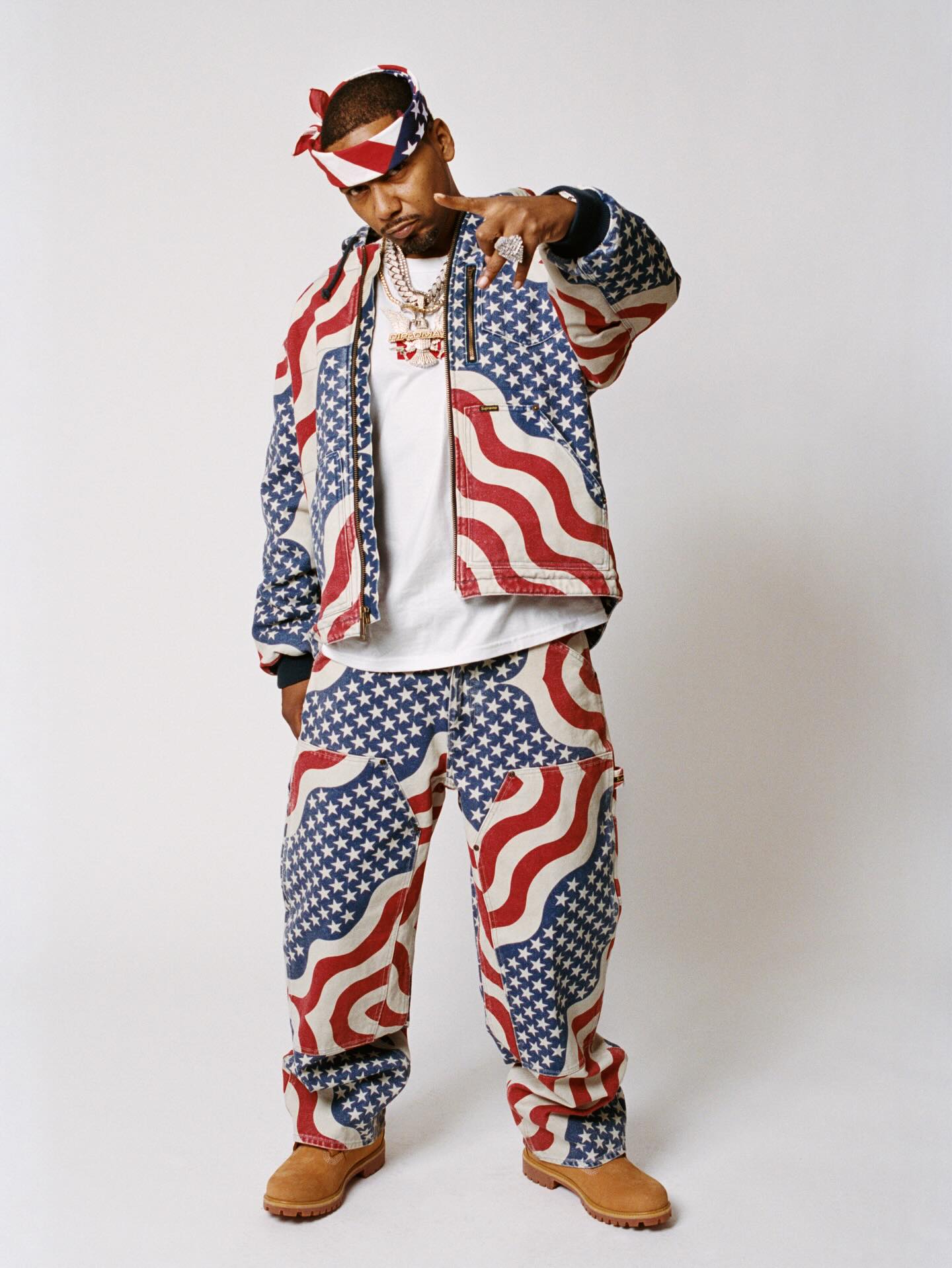
Juelz Santana
Oh Boy, Come Home With Me, Gangsta, Facts of Life, Ball Out Remix, Maria Maria
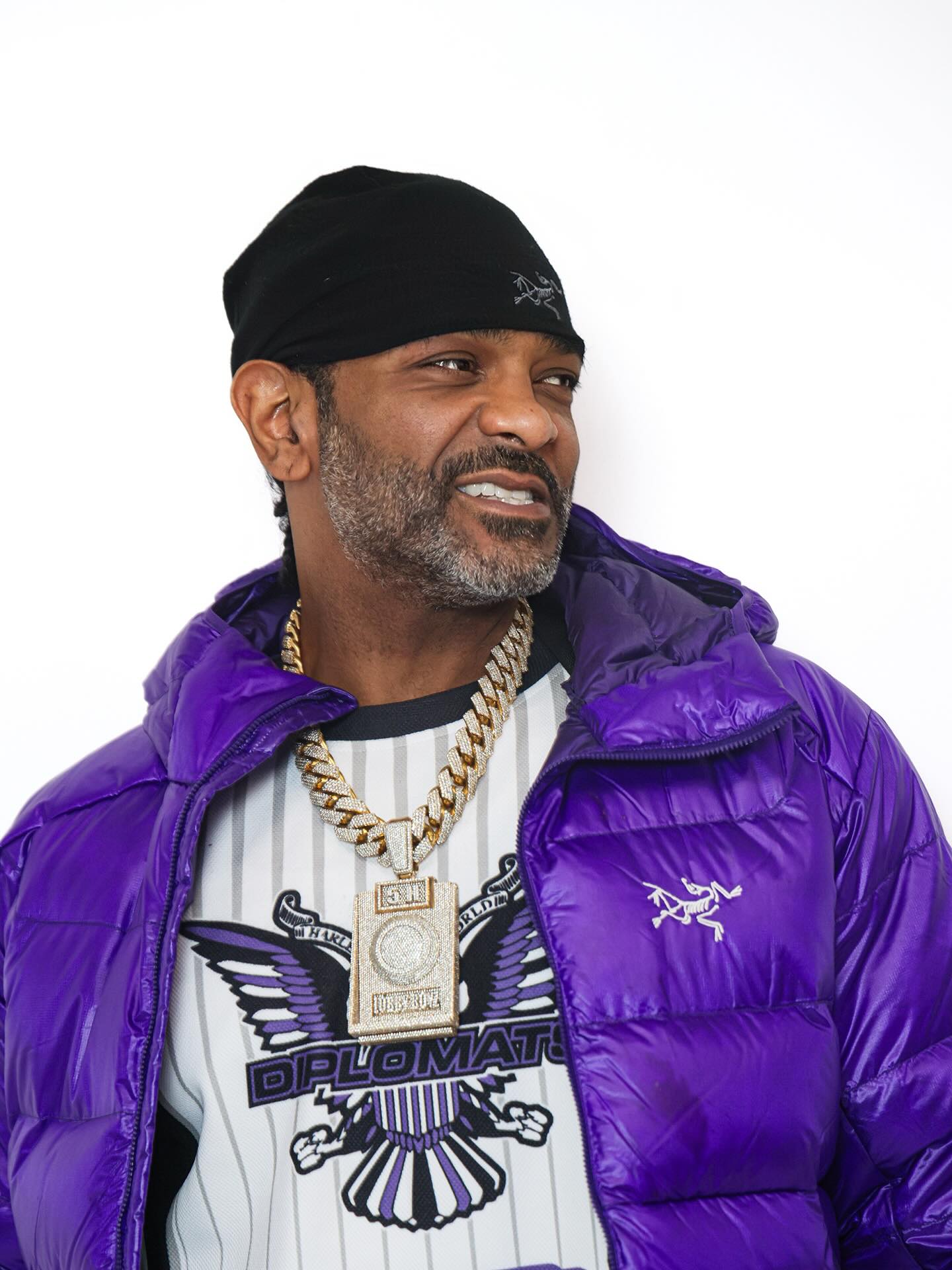
DJ Kay Slay
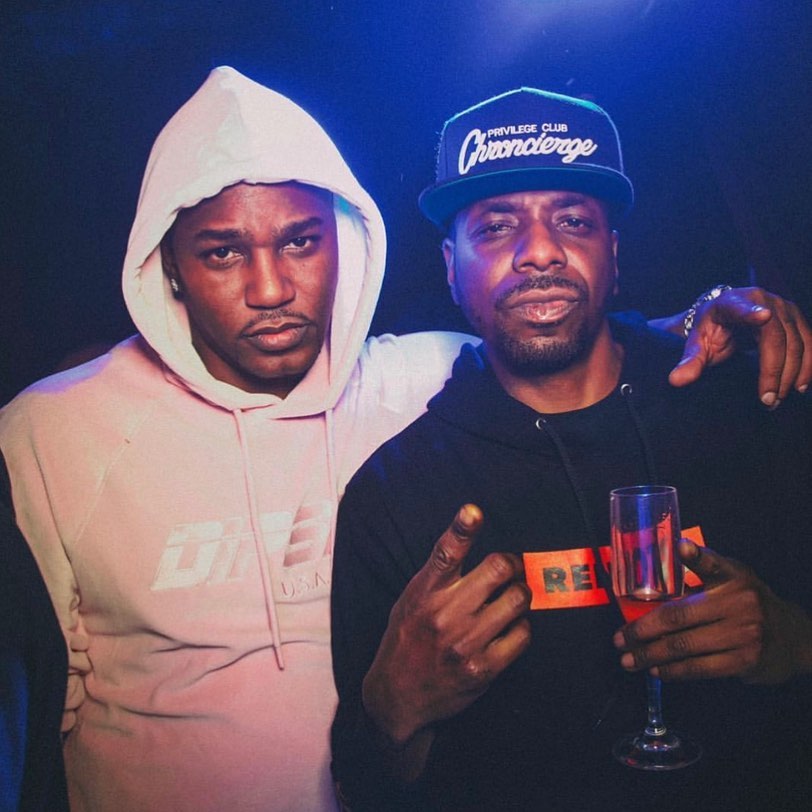
Host · Drama King · 1966–2022. Over two decades on Hot 97. His name is on some of the most important street tapes New York ever produced.
Duke Da God
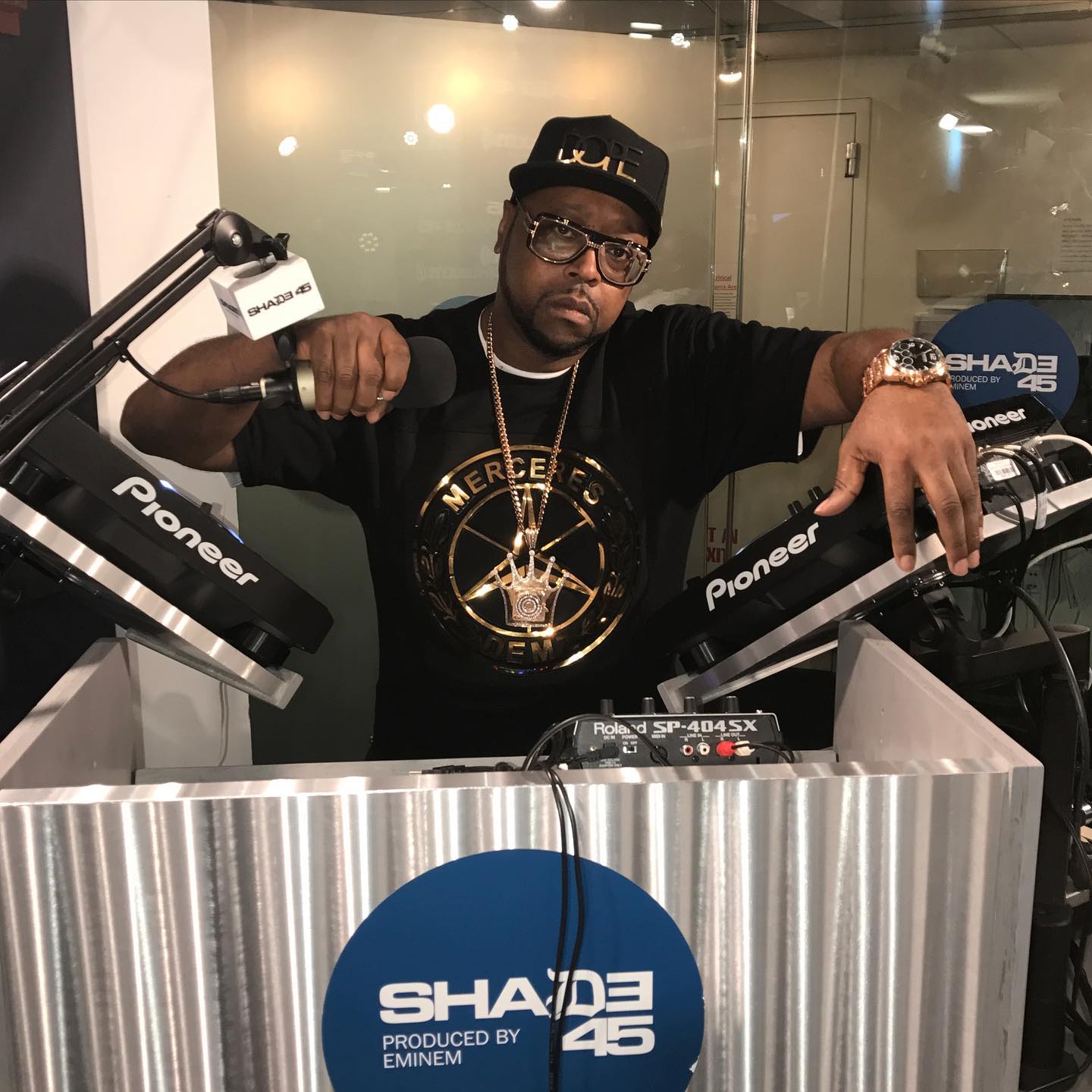
Architect of the Diplomats mixtape operation. A&R director, Purple City founder, and the reason these tapes reached the streets at scale.
The Tapes That Built the Brand
The Diplomats mixtape series ran from 2001 through 2006 across five core volumes, with DJ Kay Slay hosting throughout. Each volume was a statement of intent from a crew that understood something most of their peers had not figured out yet: the mixtape was not promotional material. It was the product.
Diplomats Vol. 1 (2002) is where it started. Hosted by DJ Kay Slay, born Keith Grayson, the Drama King. We pause here for a moment. Kay Slay passed away on April 17, 2022, four years ago, after a four-month battle with COVID-19. He was 55. He spent over two decades hosting the Drama Hour on Hot 97 and his name is on some of the most important street tapes New York ever produced. The Diplomats series was among his defining works and it would not have traveled the way it did without his co-sign. Rest in peace to the Drama King.
Vol. 1 dropped a few months before 50 Cent Is The Future in 2002, which means Dipset was actually ahead of G-Unit in pioneering the artist-driven street tape format. The formula combined industry freestyles with original material, put the whole crew on it, and got it into hands before the album cycle began. By the time Diplomatic Immunity dropped in 2003 the streets already knew every word. The tracklist tells the story: Oh Boy with Juelz Santana, Ambitions Az A Killa with Daz, Rocafella Get Money, Maria Maria, Stan Remix. Cam’ron rapping over every landmark beat of the era and making them his own.
Diplomats Vol. 2 and Vol. 3 (2002) kept the momentum through the beef cycle. When Nas went on radio and called Come Home With Me wack, the Diplomats did not wait for a press release. They dropped Vol. 2 with Cam’ron rapping over Nas’ own beat to Hate Me Now. That kind of real-time response was only possible because the infrastructure was already in place. Duke had the machine running.
Diplomats Vol. 4 (2003) extended the run through the Diplomatic Immunity era. By this point the model had proven itself. You could walk down the street in Manhattan and find a Diplomats tape at a vendor. You could find them on mixtapekings.com. The reach was real and it was growing.
DukeDaGod and The Diplomats: The Title Stays in Harlem (2005) and DukeDaGod and Diplomat Records Presents: Who Else But Us (2006) brought Duke fully to the front as the presenter, making explicit what had always been true. He was not just behind the scenes. He was the one holding it all together.
What Cam’ron Built on the Mic
The mixtape operation worked because of what Cam’ron was doing on the mic during this run.
In 2002 and 2003 Cam’ron was operating at a level that is easy to underestimate looking back. Come Home With Me gave the mainstream Oh Boy and Hey Ma, both platinum singles featuring Juelz Santana. But the mixtape version of Cam was looser, more combative, more willing to go somewhere the album could not follow. He rapped over everything. He responded to everything. He made the format feel alive in a way that forced other artists to either catch up or get left behind.
Diplomatic Immunity in 2003 was essentially the best of the first three volumes, street-legal and sequenced for retail. It went gold in under two months. But the people who had been following Duke’s operation and platforms like mixtapekings.com had already been living with those records for a year before the label put a barcode on it.
Juelz Santana’s Back Like Cooked Crack series ran alongside the group tapes and showed what the format could do for a solo artist inside the Diplomats ecosystem. From Me To U in 2003 made Juelz undeniable before What the Game’s Been Missing gave him his major label moment. Each volume expanded his audience without a single label dollar spent on distribution.
Jim Jones followed the same path. City of God in 2005 set the table. Harlem: Diary of a Summer debuted at number five on the Billboard 200 that same year with 74,000 copies in the first week. The audience Duke had spent years building in the streets and online translated directly into album sales because the foundation was already there.
The Collector’s Tape
For the mixtapekings.com vault we are adding Diplomats Volume 1 (Special Collector’s Edition) to the native player. This is the tape the way it was meant to be heard, sequenced from top to bottom, no algorithm involved. The same series that was in the mixtapekings.com catalog in 2003 is now in the archive in 2026.
Press play. Let it run from the front. That is how Duke intended it.
Duke Da God in 2026
mixtapekings.com has history with Duke that goes back to when these tapes were first moving. We were part of how this music reached people beyond the block, beyond the borough, beyond New York. That relationship means something to this platform and it always will.
Two decades later the question worth asking is what Duke has been building since. That is a conversation we are looking forward to having.
More From the Archive
Juelz Santana appears on Diplomats Vol. 1 and in Lil Wayne’s Dedication 2 two years later, where DJ Drama and the Gangsta Grillz platform gave Wayne the same kind of street validation Duke gave Dipset. Same formula, different crew, same result: the streets knew before the industry did.
If you want to hear what the street tape machine looked like from the G-Unit side in the same era, Bulletproof: G-Unit Pt. 5 is the tape. DJ Whoo Kid, 50 Cent, Lloyd Banks, hosted by Dave Chappelle, released in February 2003, the same month Diplomatic Immunity was building momentum on the streets. Two operations running parallel, neither one waiting for a label signal. Both in the archive now.