
Dominican, raised in Brooklyn, hip-hop built him but never boxed him in. He's spun The Tunnel and Limelight, was one of the DJs Rane sponsored to promote Serato's Scratch Live in 2004, back when a laptop on stage still drew pushback from other DJs, and now runs his own label, Deep Fried Music, putting out sample-based house and soul records built to outlast whatever's trending.
You came up playing legendary Brooklyn and Manhattan rooms like The Tunnel, Limelight, and Latin Quarters. What was the moment you knew DJing was your path?
I'd been DJing a few years before my big break, which was On Location DJ for "I Like It Like That" and "Above the Rim." Working on movie sets alongside Rita Moreno, 2Pac, Marlon Wayans, and Lauren Velez was an eye opener. I was even offered to join SAG. I knew the possibilities were endless and focused on being a true professional from that point on. Shout out to Exile Ramirez, the plug, and Uly Terrero, who hired me on Above the Rim.
We go back to 2012, when you mixed The Rogue's Gallery for us, back before this relaunch even existed. What's a memory from putting that project together that still stays with you?
Mixing underground hip-hop sequenced in a way that tells a story really stands out to me. Concept mixtapes had been lost for a time, so bringing that element back, weaved throughout the mix, was dope.
Both of Clear's Rogue's Gallery mixes are streaming in the archive: The Rogue's Gallery (2012) and The Rogue's Gallery Vol. 2 (2013).
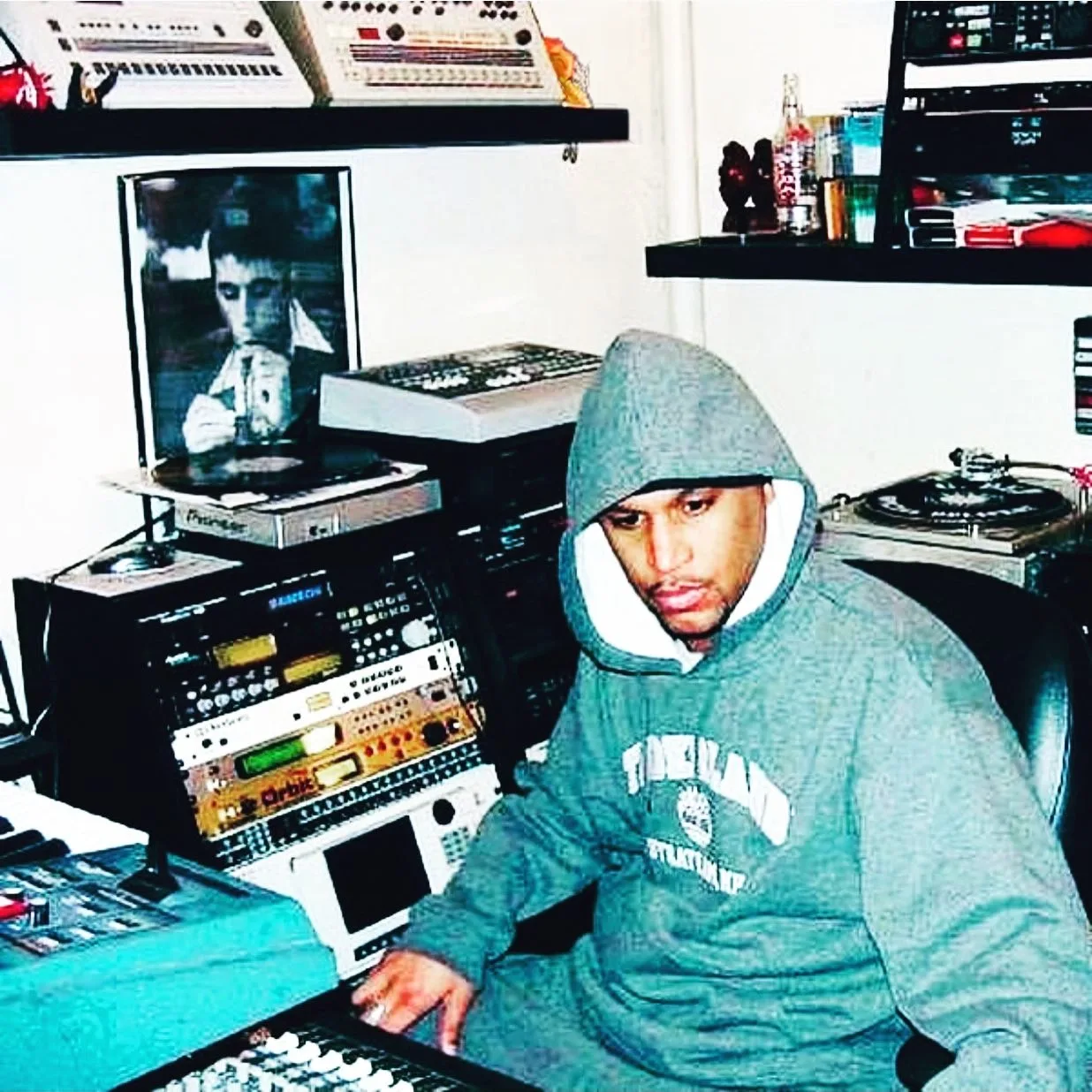
You helped usher in the digital DJ era through your work with Serato's Scratch Live. What was it like making that leap from vinyl and CDJs to digital, and what did it teach you about adapting?
Rane sponsored me to promote Scratch Live back in '04, when it was being released. It was difficult at the time 'cause I'd get pushback from DJs for using a laptop. Still, I knew it was a game changer, so I pushed on. Thing is, audiences don't really care if it's vinyl, CDs, or whatever, you just better rock. Learning to adapt and embrace new technology has been very beneficial, 'cause you learn to look forward or risk getting left behind.
You move between hip-hop with Wu-Tang and Dipset, and Latin music with Pitbull and Fulanito, and now house and soul through Deep Fried Music. What ties all of that together for you?
I'm Dominican and grew up in Brooklyn, but hip-hop raised me. I approach everything from a hip-hop perspective, then dig into my roots and experiences, which has been incredibly beneficial.
Through Deep Fried you've put out vinyl remixes of Alicia Keys, Hector Lavoe, and Teddy Pendergrass. What draws you to reworking a classic versus building something from scratch?
Our roster's filled with producers who are DJs first, so it's natural that a lot of what we put out is sample based. It might be a twist on an old skool banger or a remix of a song lost in time. While some jump on what's hot right now, we pride ourselves in putting out timeless classics that DJs will keep in their go-to record boxes long after trends fade.
Your Brighter Days EP came out in October 2025, built on classic soul samples. What pulled you toward that sound for this project specifically?
When I made Brighter Days, it had an earthy, feel-good vibe that didn't sound overproduced. It sat on the shelf in between projects while I figured out what to do with it. Over time, I'd take tracks I made that I felt matched its energy, and everything eventually came together. The fact we lost both Roy Ayers and Dexter Wansel makes it feel like an homage to these legends, since we sampled them. We put the EP out, and thankfully, it was well received.
Bandcamp pays artists and labels directly. Support DJ Clear on Bandcamp
Vinyl and physical formats have become genuinely popular with collectors again in recent years. What's your take on that, coming from someone who's pressed his own vinyl through Deep Fried?
I think it's great for the industry overall, but as an indie label it makes it even more important to establish your own identity. We thrive by staying true to the music we believe in rather than catering to trends. By creating our own niche in the market, we'll continue to grow even if vinyl falls out of favor with the general public.
You've had a real home on radio over the years, Sirius Satellite, AOL Radio, FG Radio USA, La Nueva Fiesta 98.5 FM. What's kept you drawn to radio specifically, versus just DJing live sets?
Radio can be a challenge, since it's completely different from live DJ sets. There's lots of rules you have to follow, you deal with drama and more politics than people imagine. Still, if you block out the nonsense and focus on letting your personality and DJing skills shine, you can have a lot of fun. It's exciting, which is what draws me back to it despite the setbacks. I've learned something new from every gig I've had.
What do you think today's artists get wrong about the DJ's role in building them up?
From the early beginnings with Herc, Flash, and Bam (rest in peace), to the golden age of mixtapes with Kid Capri and Kay Slay (rest in peace), DJs have been at the center of breaking new artists and music. DJs have even introduced whole new genres of music. Today's artists need to get back to building working relationships with the DJ community if they want to have long-lasting careers in the music business. Respect the DJ.
You've kept grinding long after a lot of your peers from that era stepped back. What keeps you doing it, and what does giving back to the culture look like for you today?
It's all about the love of DJ culture. Whether it's working on The Time Machine Radio show with my partner DJ Ric Nice, preppin' new releases on Deep Fried Music, or producing remixes for Freddy B from the Underground Record Pool, there's always a new adventure to keep me going. Being embraced by legends such as Breakbeat Lou (Ultimate Breaks and Beats), Danny Dan (Dusty Fingers, rest in peace), DJ Looie Loo, Rockin' Rob, and others, I give back by doing the same thing and mentoring up-and-coming DJs serious about their craft. I will forever champion hip-hop and this incredible DJ culture I'm lucky enough to be a part of.
Last question, who or what should mixtapekings.com spotlight next in this series?
A great spotlight for mixtapekings.com would be my fellow Brooklyn DJ and mixtape legend Tony Touch. I've known Tony for years, and he's consistently grinding and, most importantly, always represents the culture. Salute.
We've already reached out.
A short sit-down with DJ Clear from RockandSoul NYC, filmed the month after the Brighter Days EP dropped.
DJ Clear is a Dominican, Brooklyn-raised DJ and producer whose career spans movie sets, legendary NYC clubs, digital DJing's earliest adopters, and now Deep Fried Music, his own label putting out sample-based house and soul built to last. From The Tunnel to Serato to vinyl remixes of Alicia Keys and Hector Lavoe, he's spent three decades proving the format never mattered as much as the record.
Collector Spotlight continues. If you know a DJ, collector, or curator whose perspective deserves a platform, let us know.
Get Early Access