Archive · West Coast
You Know What It Is, Vol. 3
By Diony C.
•August 21, 2026
•5 min read
June 22, 2005. Nu Jerzey Devil and DJ Skee present The Game's direct response to the G-Unit split, twenty-two tracks anchored by the '300 Bars & Runnin'' diss. Stream it in the archive.
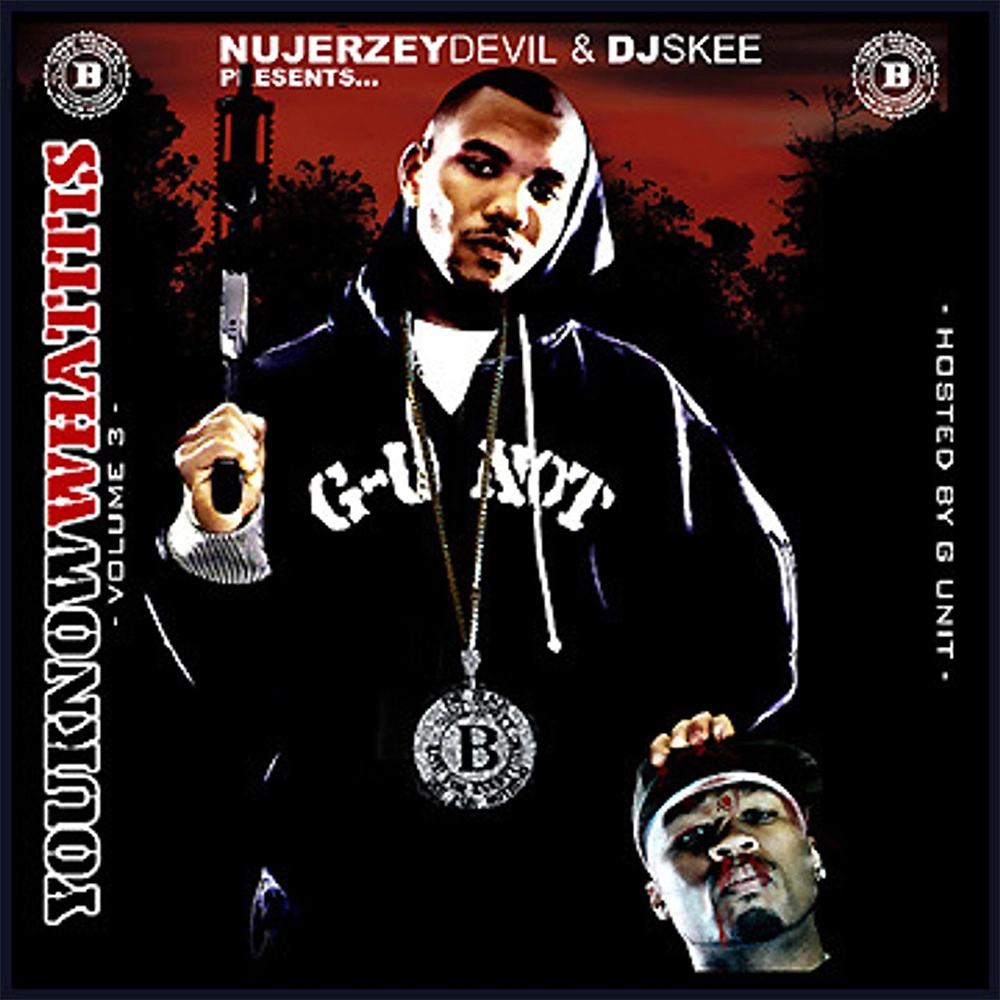
By the summer of 2005, The Game was six months removed from Dr. Dre’s camp and at open war with 50 Cent and G-Unit. He didn’t respond with an album. He responded with a mixtape, and he handed the mic to two DJs who knew exactly how to turn a beef into a moment.
You Know What It Is, Vol. 3, presented by Nu Jerzey Devil and DJ Skee, dropped June 22, 2005. It wasn’t a victory lap or a warm-up. It was a direct, unfiltered response, recorded and released fast, built to be heard immediately by the same streets watching the beef play out in real time.
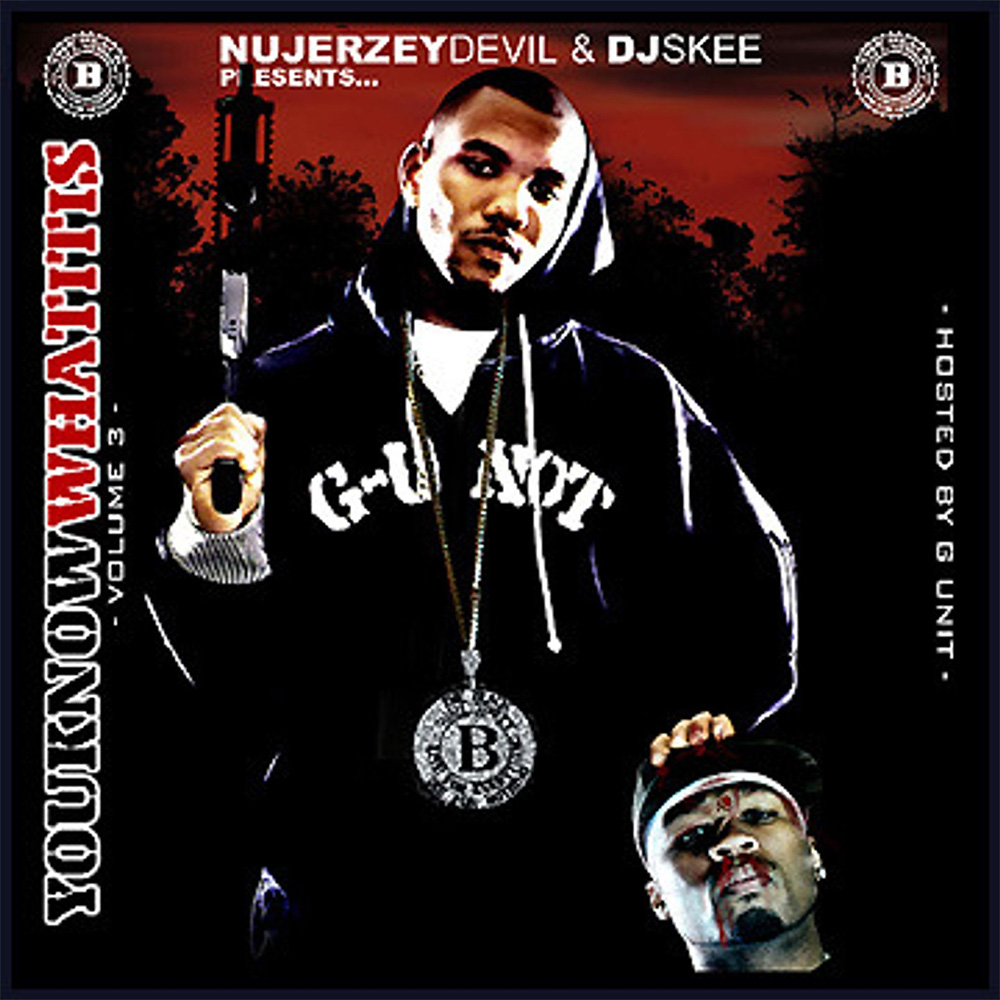
Press play above and hear where it started.
The Split
Game’s fallout with G-Unit had been building for months before it went fully public. He’d been Dr. Dre and 50 Cent’s project, brought into Aftermath and G-Unit together, positioned as the West Coast half of an East Coast-West Coast alliance that was supposed to be bulletproof. By early 2005 it wasn’t. The split was loud, personal, and played out across radio, mixtapes, and eventually a real altercation outside Hot 97.
Game needed a platform that could move as fast as the beef itself. Mixtapes were that platform, and Nu Jerzey Devil and DJ Skee were already positioned as two of the DJs who could get a project into the streets within days, not months. Nu Jerzey Devil wasn’t just a co-host either, he was one of the artists originally signed to Game’s own Black Wall Street label, alongside Glasses Malone and Vita.
The Tape
Twenty-two tracks, just under 80 minutes, and it does not waste time getting to the point. Track two is “300 Bars & Runnin’,” a nearly 15-minute standalone diss aimed directly at 50 Cent and the G-Unit camp. It’s the track the tape is remembered for, and it’s the one DJ Skee himself points to as a defining moment of his own career.
The rest of the tracklist moves between new freestyles, remixes, and features that kept the tape feeling like a real project instead of just a callout. “I’m A King” featuring T.I. freestyles over Dr. Dre instrumentals. A “Hate It or Love It” street remix. A tribute to Justo Faison, the mixtape DJ whose Justo’s Mixtape Awards helped define the entire era, closing out the project.
What It Did
The tape didn’t just document the G-Unit split, it accelerated it. “300 Bars” became the record people quoted back and forth for months, and it cemented DJ Skee’s reputation on the West Coast the same way hosted mixtapes were building reputations for DJs on the East Coast at the same time. This was the mixtape circuit doing what it always did best: turning a real, messy, unresolved conflict into a document people would still be talking about twenty years later.
Skee has called this project his own stamp on Los Angeles. Two decades later, running an authentication company built on protecting the provenance of exactly this kind of cultural artifact, he still keeps a copy from his own personal collection. The physical CD, sourced directly from Skee’s collection, is available through The Realest.
Own a piece of this one: the authenticated CD from Skee’s personal collection is available through The Realest.
Watch
The Game and DJ Skee sit down on SKEE LIVE to talk through “300 Bars & Runnin’,” the rest of their mixtape run together, and what the G-Unit beef actually looked like from the inside.
In the Shop
The Game’s official studio catalog from this era isn’t currently in stock (worth checking back), but the other side of this story is.

CD · Shady / Aftermath / Interscope
Get Rich or Die Tryin’
The other half of the beef this tape documents.
Shop the CD
2xLP · Aftermath / Interscope
2001
The mentor and exec producer behind Game’s own major label debut, released the same year.
Shop 2001 2xLP
More From the Archive
For the fuller story of how the G-Unit machine ran its own mixtape circuit at the same time, Bulletproof: G-Unit Pt. 5 sits on the other side of this exact beef. For how the hosted-tape economy got built into an industry, DJ Drama Built the Blueprint. And for the wider arc of the format itself, The Evolution of Mixtape Culture.
Subscribe to the mixtapekings.com newsletter for more from the culture.